Before there was naira, there was trade.
Before there were bank accounts and POS machines and transfer codes, there were cowries, shells, kola nuts and baskets of yam exchanged for pots of palm oil at the crossroads of a market that had no name, no address, and no opening hours.
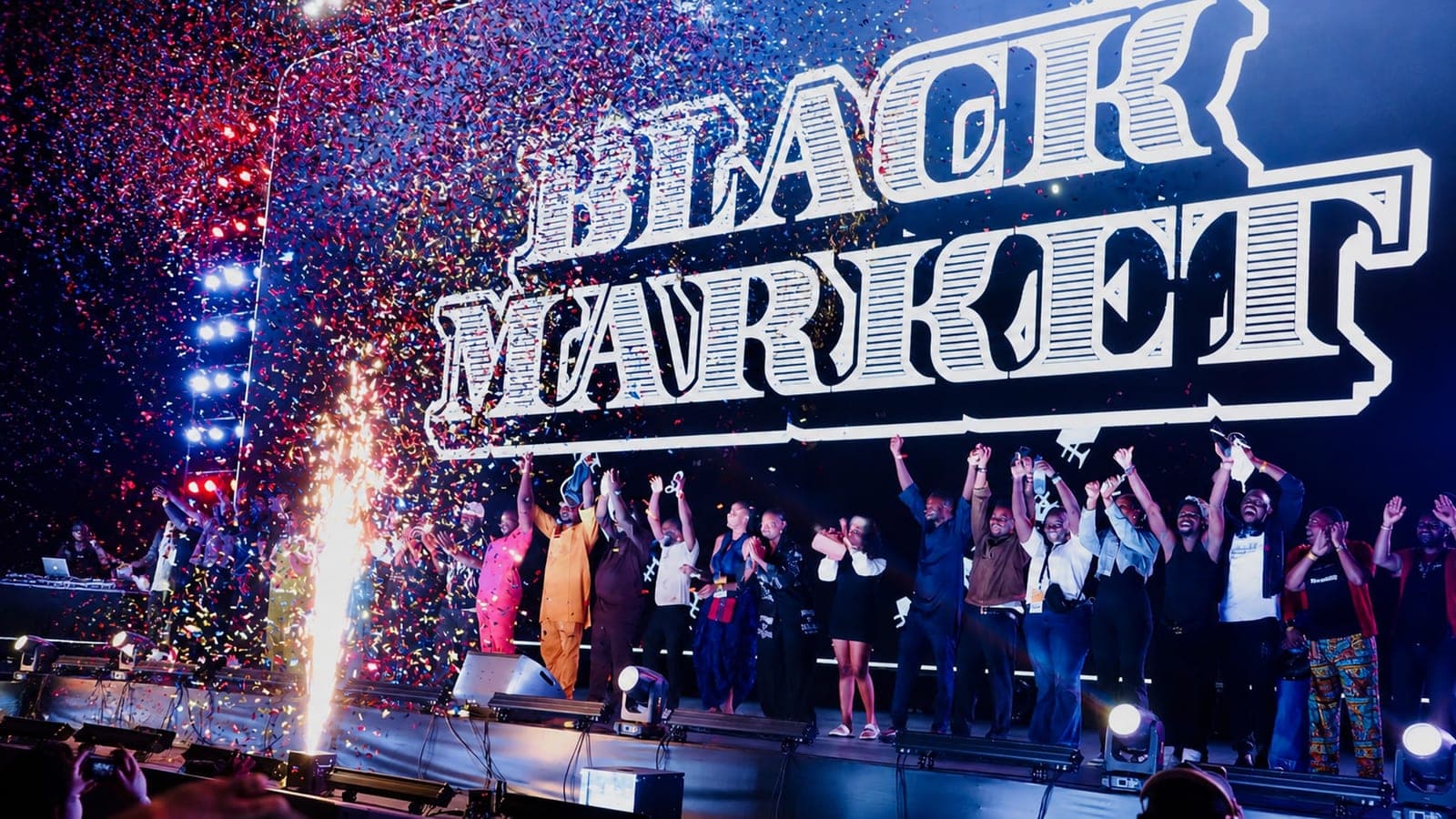
Barter is not a new concept in Nigeria. It is the original economy. And after what we saw at the Black Market screening on September 26, I am more convinced than ever that it is coming back. Not as a step backwards. As a leap forward.
A Short History You Already Know
Barter has been the backbone of trade across West Africa for centuries. Long before colonial currencies were introduced, communities exchanged goods based on mutual need and agreed value. The famous trans-Saharan trade routes were barter routes. Salt for gold. Cloth for spices. Livestock for tools.
Even after formal currencies were introduced, barter never fully went away. In rural markets across Nigeria, you can still find people exchanging produce for services, or goods for other goods. A mechanic fixes your car, you give him a bag of rice. A seamstress sews your outfit, you give her fabric in return. It happens every day. It has always happened.
What changed is that the formal economy made us forget it was an option. We got so used to thinking in naira that we stopped thinking about what else we had to offer.
Why Barter Makes Sense Right Now
Nigeria's economic reality has made the case for barter better than any marketing campaign ever could.
The cost of living has been rising consistently. Inflation means your money buys less every quarter. Cash is scarce in many communities. Transfer fees and charges eat into small transactions. And the things people own, from clothes to electronics to skills, sit unused because the only system we have taught people to use is cash.
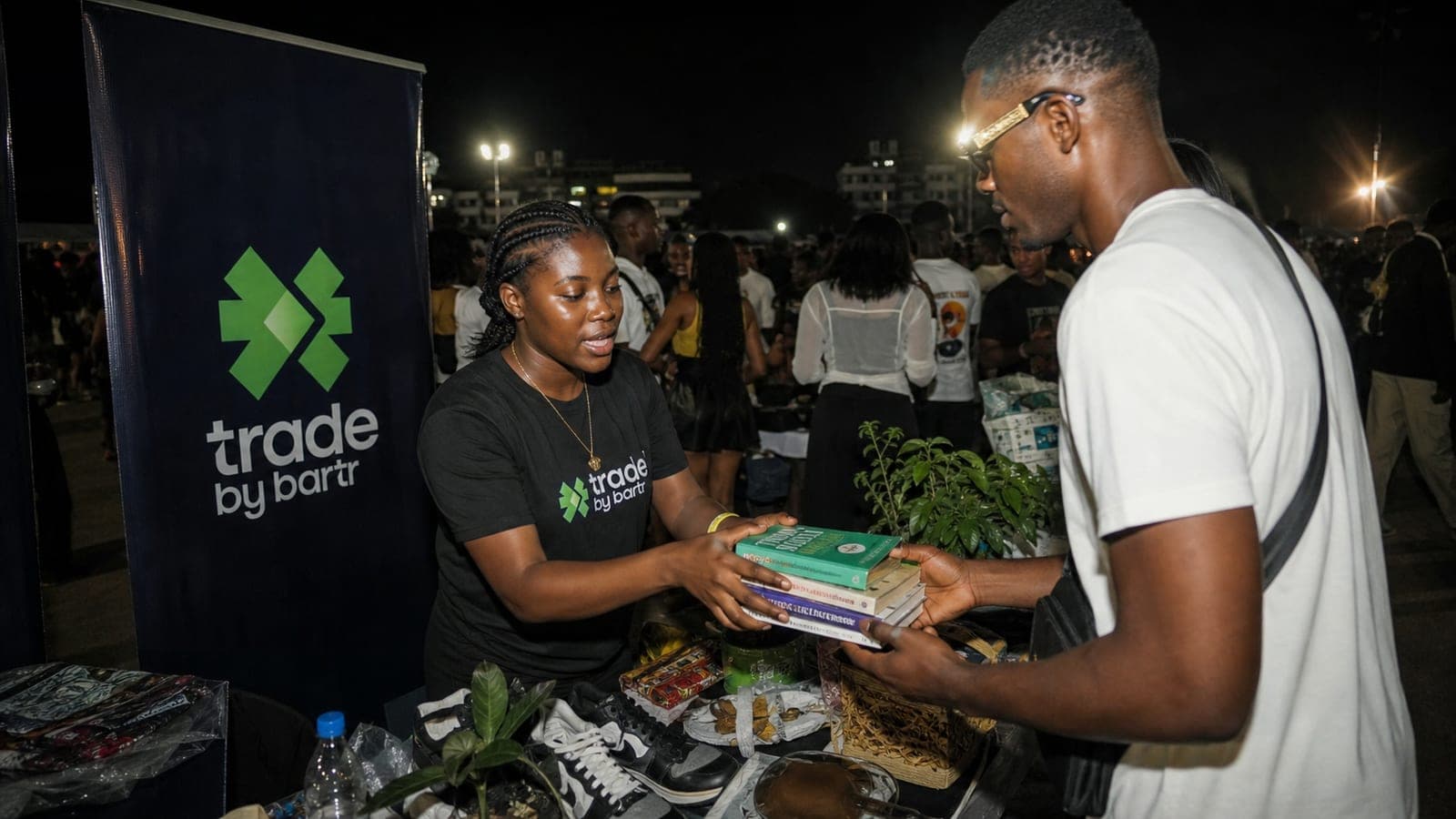
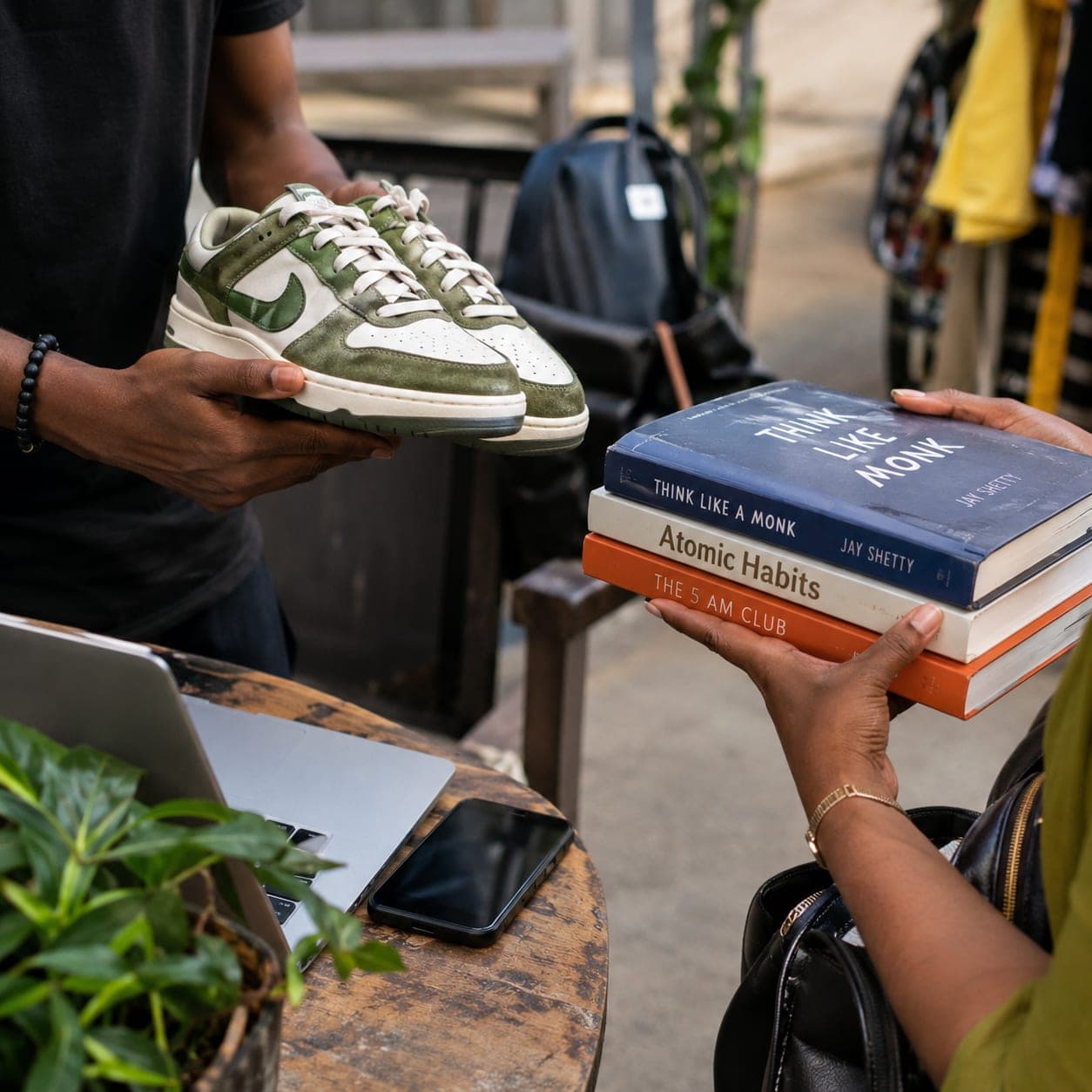
But what if the pair of sneakers you have not worn in six months could get you three books? What if the bag sitting in your closet could get you a haircut? What if the coding skills you have could get you a logo design from someone who needs a website?
That is not hypothetical. That is what happened at TBS. People did not need cash. They needed a platform that helped them see the value they already had.
What TBS Proved
I was at the TradebyBartr booth for the entire event. And the thing that struck me most was how fast people understood the concept.
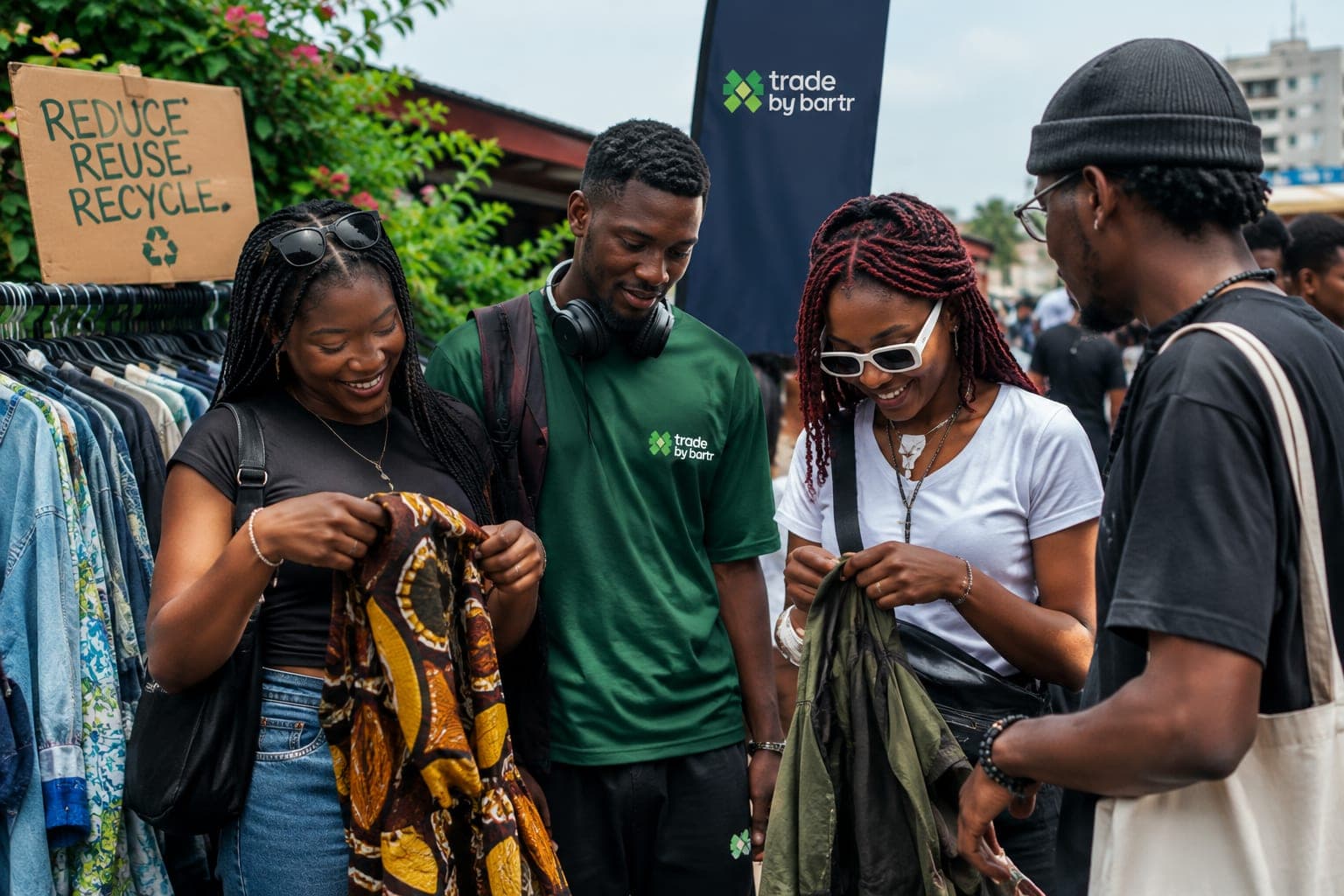
We did not have to explain barter. We did not have to run a tutorial. We did not have to overcome skepticism. People showed up, saw the items, and immediately started looking at what they had. It took seconds for the shift to happen.
You know why? Because barter is already in the culture. It is in the DNA. We trade favors, we trade skills, we trade "I will do this for you if you do that for me" every day. We just never had a platform that formalized it and scaled it.
That is what TradebyBartr does. We are not inventing something new. We are digitizing something that seems ancient.
Barter Is Not Going Backwards. It Is Going Digital.
I know what some people think when they hear "barter economy." They think it sounds like going backwards. Like reverting to a pre-modern system because the modern one failed.
I disagree.
What we are doing is taking a system that has worked for thousands of years and giving it the infrastructure it deserves. A web platform. A matching system. A way to list what you have and find what you need. A way to exchange value without needing cash to be the middleman.
The economy is evolving. People are tired of only being able to participate when they have money. They want to participate with what they have. And what they have is more than they think.
The Invitation
If you have something you do not use, it has value. If you have a skill, it has value. If you have knowledge, it has value. You do not need to sell it. You can trade it.
Go to app.tradebybartr.com. List something. Make your first trade. It is free.
The barter economy is not a relic. It is a revolution. And it is just getting started.