Sustainability is gradually becoming a lifestyle and no longer just a vague concept wrapped around climate change and environmental policies. In the past year, I have been pulled into the world of sustainability and how it should play into our everyday lives to create a sense of balance, and if there is one generation, I believe has the creativity and influence to make sustainability cool, it’s Gen Z.
In Africa, where resourcefulness has always been part of our DNA, the idea of recycling and thrifting is not new. I reckon it has just been waiting for a rebrand. From our parents who turned paint buckets into flowerpots, to the bustling “okrika” markets where second-hand finds new life, we have always practiced circular living, even before we had a name for it. But now, the challenge (and opportunity) lies in how we make it aspirational, and move it from a survival mechanism to a lifestyle choice.
Gen Z thrives on culture, identity, and storytelling. To make recycling and thrifting cool, it needs to be more than a moral act, it must be an aesthetic, a movement, and a statement.
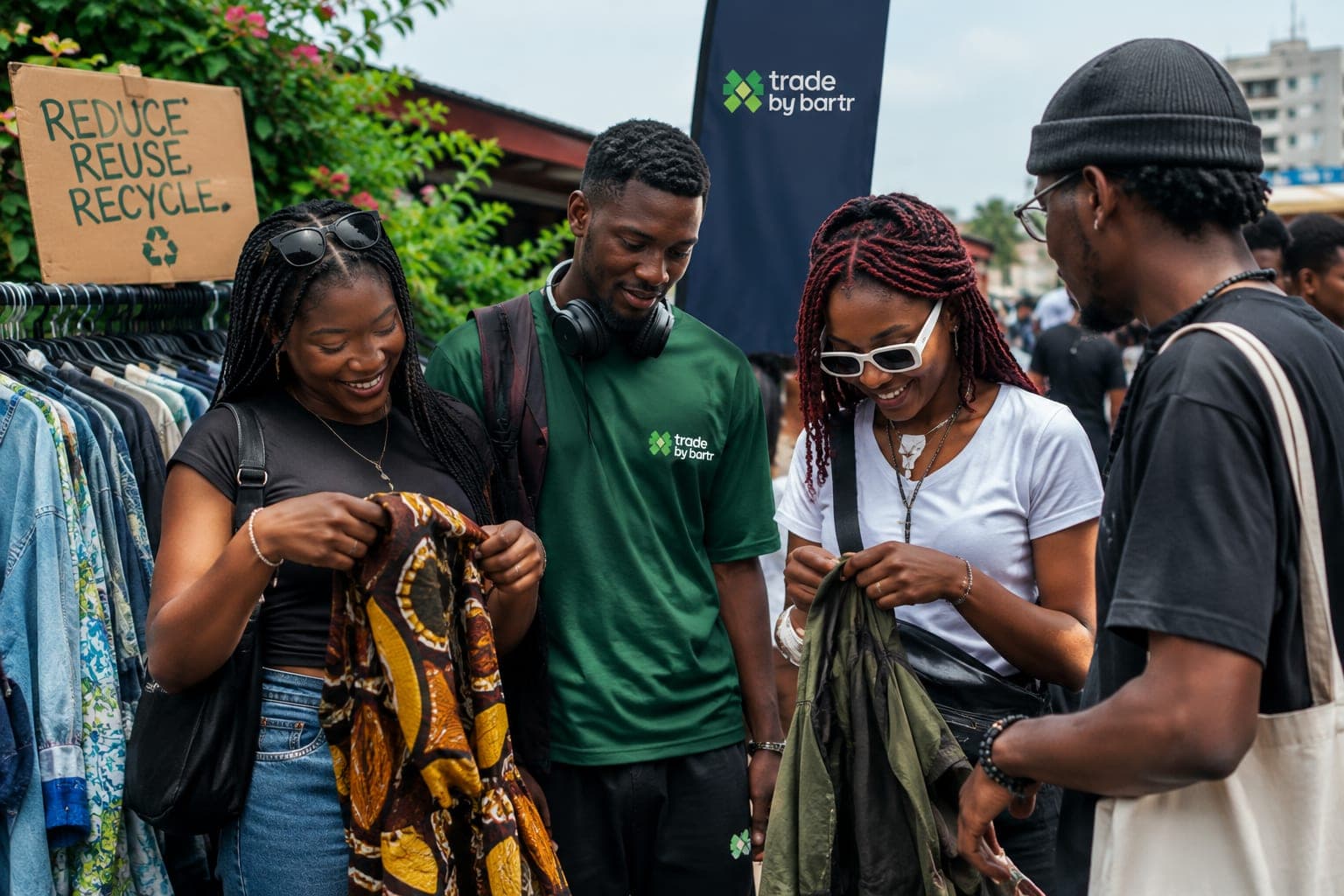
- Fashion as activism: Thrifted fits can be styled, shot, and shared; not as “hand-me-downs,” but as unique expressions of individuality and sustainability.
- Content as culture: Creators can lead the shift, showing how upcycling old items, reusing materials, or reimagining waste can be art, not inconvenience.
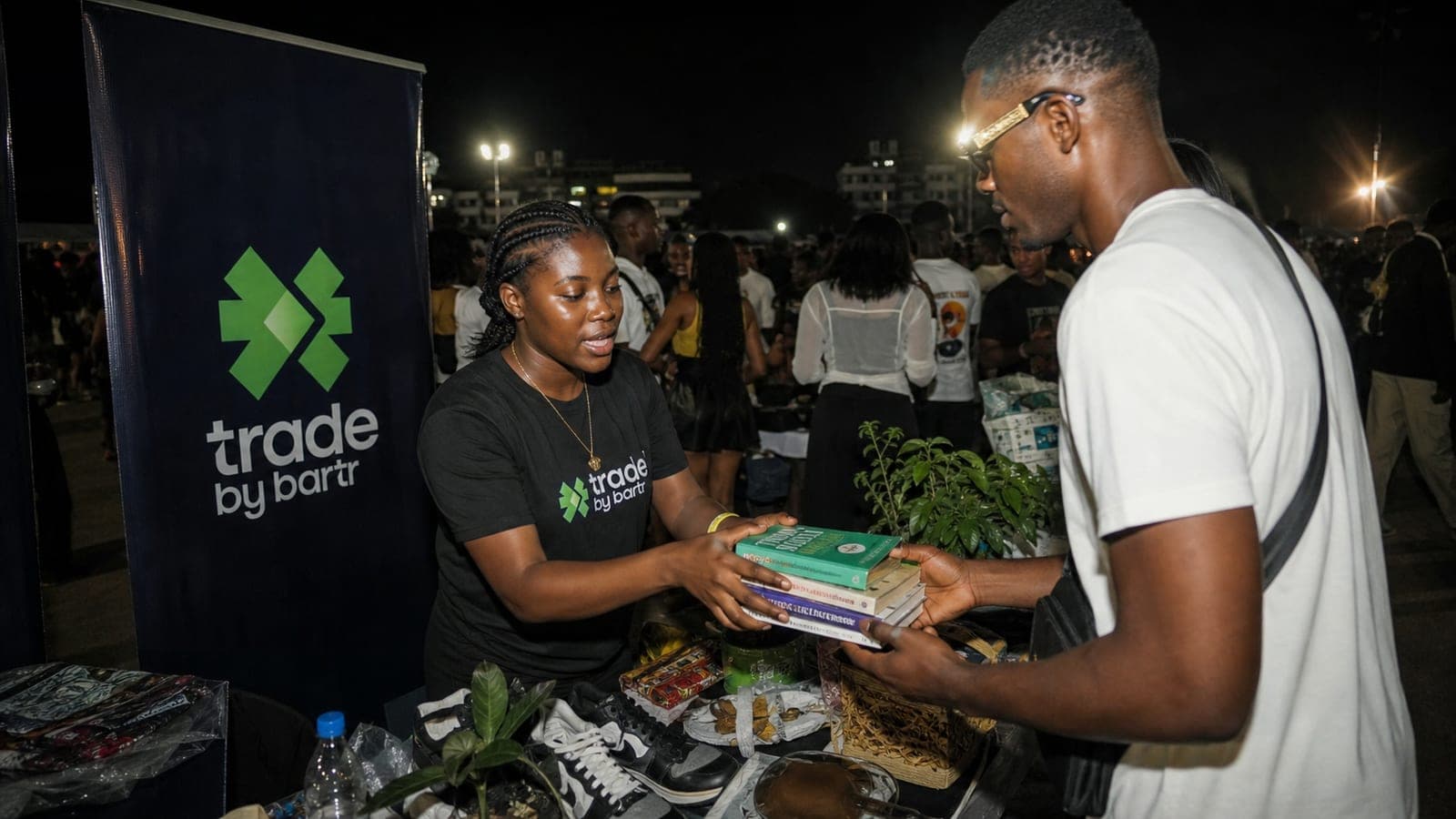
- Community as impact: Pop-up thrift events, swap meets, or circular economy clubs can transform sustainability into something social, creative, and proudly African.
Africa is urbanizing fast. With more people comes more consumption, and inevitably, more waste. The way Gen Z consumes today will define what our cities will look like tomorrow. If we can weave recycling and thrifting into culture, not as something for the “eco-conscious few,” but as a default mindset, we are building a future where style meets sustainability, and purpose meets play.
Making sustainability cool should not be about preaching, it should be about showing. It is about owning our narrative, blending creativity with consciousness, and proving that being intentional with how we live, dress, and consume can be as trendy as it is transformative.
Because the truth is, recycling and thrifting are not foreign to us, they are part of who we have always been.
It is time we gave it the spotlight it deserves.